Understanding the Google Link Spam Update
Google has emphasized the importance of quality and have continuously updated its search quality guidelines to reward quality websites over spammy content. Since it rolled out the link spam update, Google has improved its drive to identify websites that uses unethical methods like unnatural links to gain ranking over quality websites that should be ranking better in its search results.
Read more on How Google Assesses Website Quality
The Link Spam Update
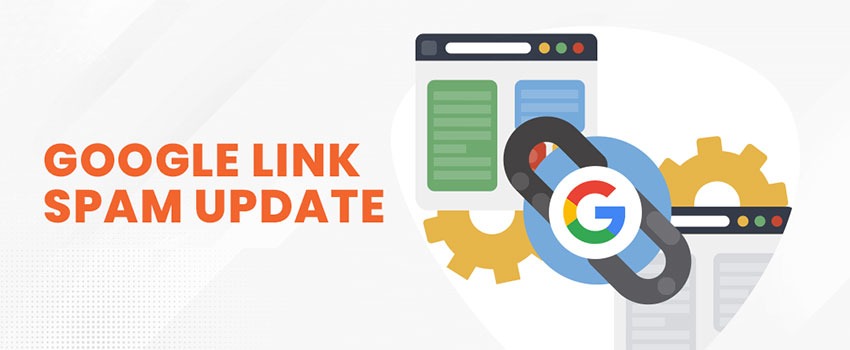
The link spam update is an algorithm update which targets manipulative link schemes that artificially manipulate a site’s authority to give it undue advantages in the search results. Essentially, it is a quality driven update which aims to neutralize spammy link building practices that manipulate search rankings to the advantage of poor quality websites.
You may want to learn more in this Google publication
These unfair and spammy link schemes may include:
- Excessive guest posting on low-quality websites just to get a backlink.
- Unnatural affiliate linking, usually, this happens without proper disclosure
- Paid backlinks, including adverting, without “nofollow” or “sponsored” tags
- Link exchanges and automated link-building tactics. This could be footer links which automatically increases link profiles with every new posts.
Google announced the Link Spam Update as a major update in July 2022. This update was a part of an earlier update rolled out in June 2021. The latest update according to a Google announcement targets unnatural links and is part of Google’s efforts at fighting link spam. Since its roll out, Google has announced updates to the Link Spam Updates including the 2025 update. In all cases, the goal had been the same – to neutralize poor quality links that give undue advantages to poor quality websites
Also read: A Step by Step Guide to Website Backlink Audit
Over the next few weeks, approximately two weeks, Google intends to implement improvements in its detection of bought and unnaturally built links. and calls this the “link spam update”.
Here is a quick guide to what we cover in this post:
1. What The Link Update Will Target
2. Why Links Are Important
3. Common Blackhat Link Building Practices
4. The Golden Rule in Link Building
1. What The Link Update Will Target
Over the years, Google has been fighting unnaturally acquired links which does not count as a recommendation from the linked page but is only meant to get a link and improve the ranking. Though Google itself has acknowledged the effectiveness of its efforts to weed its search results of poor quality websites, Link Spam Update is expected to improve Google’s effectiveness at achieving the target of serving users with better search results.
The Google Link Spam Update is an improvement in the recognition of poor quality links. Outside that, there is no indication that anything will change in the basic rules of link building.
Here are some of the immediate responses Google would expect from SEOs following the July update:
- Google would like unnaturally placed links to be marked with the corresponding rel attribute. In addition to
nofollow, there is also thesponsoredattribute for purchased links, andugcfor “user generated content” (for example in forums). - In the blog post, Google gives particular attention to affiliate links and sponsored posts. In terms of the graphic for the sponsored posts, it is interesting that not only the links from the content are highlighted, but also those from the author link (“Authored by:”).
- Google threatens manual and algorithmic penalties for pages that buy or sell links, but at the same time writes that the aim of the update is to no longer evaluate such links (and not to use them as a negative signal).
Further reading:
Google Exact Match Keyword Penalty Explained
A Search Engine Friendly Guide to Link Building
The update confirms that links are still a strong factor for the Google ranking algorithm and Google will want to prune the exploitation of this key signal as much as possible. It is also noteworthy to state that you do not need to do everything possible, especially the use of blackhat techniques to build links. There are other relevant factors that can help you gain ranking to the No..1 position apart from link building. Some of these are user intent and user behavior which is critical to keeping you at the position you have gained.
2. Who Will Be Targeted?
This update seeks to filter out poor quality, spammy websites from Google’s search and will impact a wide range of website categories, especially those using questionable link building tactics. Here are some of the most likely targets:
Affiliate Content Sites
Sites filled with product reviews and affiliate links without clear disclosures are at high risk. Google is now trained to distinguish between helpful product guidance and thinly-veiled commercial promotion.
Guest Post Networks
Networks or agencies selling guest posts on low-quality domains are being closely watched. Content without editorial oversight, clear value, or author credentials may result in devalued links.
Link Exchange and Forum Spam
Tactics like reciprocal linking, profile links on forums, and mass directory submissions are once again being aggressively filtered.
Small Sites with Over-Optimized Link Profiles
Ironically, even small websites may get hit if they’ve followed outdated advice and acquired too many keyword-stuffed backlinks in a short time.
Best Practices
- Use Relevant, Contextual Links: Make sure backlinks come from relevant content that naturally complements your site.
- Follow Disclosure Best Practices: Use correct tags (nofollow, sponsored) for paid and affiliate links.
- Diversify Link Sources: Aim for a balanced profile with links from blogs, media, forums, and niche directories.
- Conduct Regular Link Audits: Use tools like Ahrefs, SEMrush, or Google Search Console to assess link health.
Unacceptable Practices
- Avoid Buying Links: Any paid link that passes PageRank without disclosure is a violation of Google’s policies.
- Don’t Overuse Exact Match Anchors: This is a red flag in Google’s spam detection systems.
- Steer Clear of Automated Link Building: Tools that promise thousands of links quickly are more harmful than helpful.
- Don’t Use Low-Quality Guest Posts for Links: If the content isn’t genuinely helpful, the link won’t count — or worse, it could hurt your site.
Also read: How to build your website trust and credibility
How to Stay in Google’s Good Books
A resilient SEO strategy must focus on long-term value, not shortcuts.
1. Build E-E-A-T-Compliant Content
- Showcase credentials of content creators
- Link to high-quality, trustworthy references
- Provide real-life experiences or case-backed insights
2. Develop Link-Worthy Assets
Create high-quality blog posts, studies, tools, or guides that naturally attract links. The more value your content delivers, the more organic backlinks you’ll earn.
3. Be Transparent with Monetized Content
If you’re using affiliate links or sponsored partnerships, make it obvious. Not only does this align with Google’s rules, but it also builds user trust.
4. Audit Your Existing Links
Use backlink audit tools to identify and disavow toxic links that could bring down your site. Revisit older content that might be propped up by manipulative linking.
Also read: A Step by Step Guide to Website Backlink Audit
How Does The Google Chrome Updates Connect With The Link Spam Update?
The Google Chrome updates in 2025 may seem unrelated to spam detection at first glance. However, Chrome data can provide indirect behavioral signals to search algorithms.
Google may analyze metrics like:
- Bounce rates from linked pages
- Time on site after clicking through a backlink
- Tab switching behavior indicating dissatisfaction
While these signals aren’t officially ranking factors, they feed into Google’s understanding of user intent and satisfaction, which ties back into how it evaluates the value of backlinks.
So, while your Chrome update won’t directly hurt SEO, your site’s usability and user retention — observable via Chrome data — could influence how your link profile is interpreted.
Recovery Tips If You’ve Been Hit
If you notice sudden drops in rankings or traffic and suspect spam links might be the cause, here’s what you should do:
1. Analyze Backlink Profile
Use tools like Ahrefs or Google Search Console to identify suspicious or low-quality backlinks.
2. Disavow Harmful Links
Create a disavow file and submit it via Google Search Console. Be careful not to disavow good links — it could do more harm than good.
3. Clean Up On-Site Issues
Fix over-optimized anchor texts, remove hidden links, and eliminate keyword-stuffed content.
4. Rebuild with Authority
Earn new, reputable links through genuine PR efforts, content marketing, and partnerships.
5. Monitor Progress
Recovery can take weeks or months. Track ranking shifts, crawl stats, and link indexation regularly.
2. Why Links Are Important
Links are a key signal in the Google ranking algorithm, unfortunately, it has been the most abused ranking signal. Links suggests trust and helps to build traffic to the linked websites. But a lot of unethical link building methods have given advantage to poor quality sites and this affects the quality of the search engines. Google is trying to build search engine quality by improving its capacity of its algorithm to detect spammy links that give undue advantage to unethical practices. Clearly, links are important. Here are a couple of reasons you should build quality links.
Links are a Sign of Quality
The reason why people will link to your website is because it has information that needs to be referenced, it provides some better explanation or it is a source of some further findings. These are all quality signs Google will look out for. So the more links you get indicates the quality of information contained in your website.
Links Build Trust and Reputation
Your website trust score indicates its potential to rank in the search engines. Though Google says it doesn’t use the Moz trust signals, we have found a correlation between increased Moz Trust and an improvement in rankings.
An increase in inbound links is an indication that a website is trusted and that is why other people are linking to it.
It is noteworthy to state that a high MOZ Trust does not necessarily guarantee high ranking especially when the trust score is earned from unhealthy links. So, Moz trust can increase but ranking may not.
Further reading:
Google Exact Match Keyword Penalty Explained
Links Help Build Website Traffic
The more links your website gets, the more traffic comes to your website. Links are a potential for a click and so more links increase the probability of clicks.
Links Are Used By Google to Rank Websites
This is probably the major reason people adopt all kinds of obnoxious measures to build links. Google uses links to rank websites and the more links your website can get, the better it will rank in the search engines. But it is no longer just about building links. The links have to also be of good quality so looking for links from spammy websites will hurt rather than improve rankings.
The Web is About Links
The web is about links. Contents, websites or whatever, links are what leads us to view web contents so links are important and have been considered the most important ranking factor.
Website Discoverability
Links are what Google uses to discover your website. Without links, your website will certainly not rank.
3. Common Blackhat Link Building Practices
All links are not equal. Google understands that some websites are dedicated to commercial link building services and can help build links for fees whereas those links are not based on its considered relevance in the article or context. Here are a couple of link building methods you must avoid because Google disapproves of them.
Forum Profile Links (Signature Links)
When you register on some forums, you have the option to add your website to your profile. This becomes a profile link and will in some cases appear a signature below your posts. This link building technique is no longer acceptable even though in some cases, it can be legitimate and not just intended for link building.
Link Buying
This is an old practice and is still used today by some SEO to build links and improve domain authority. We recommend that you run away from link building using paid links. As a matter of fact, it seriously hurts and in most cases, Google will penalize the website found to be engaged in buying links to gain rank.
Wiki Links
There are cases where a software is used to generate wiki pages that link to a website. Those pages will not have any relevance to the web page and are considered to be spammy link building techniques.
Blog Comments
One of the very old ways links were built is to post a comment and add a link to your comment in html. Some website users still use it a lot and once the comments are published, they automatically become links to the website. This technique has a lot of downsides. It hurts the website that had been linked and also the website that provided the opportunity because the originating website is seen as encouraging spamming.
Article Directory Links
There are cases where you submit a page with links to directories like EzineArticles and they in turn resubmit the pages to hundreds of directories. When links are built massively in that form, they become unnatural and can lead to a penalty such as manual action. This method was once effective but today, it is classified a bad SEO strategy for link building.
4. The Golden Rule in Link Building
One best way to build links is to produce high quality, useful content that people find worthy to link to. Such links will usually be relevant and related to the post and industry. Link building is not just about sharing links on social media and taking every advantage to post links but being referenced in related posts as a recommended source to further understand what is being discussed. So, strive to win links that bear the following characteristics:
Earn Your Links
The best way you can earn links is to produce quality content. When your content is valuable, relevant, timely and credible, you will earn links from it. So get started with building quality content for best results.
Also read: A Search Engine Friendly Guide to Link Building
Use Infographics
Images are one way to easily communicate. Graphical representation can help with understanding and tend to be shared much better than text. Good and well conceived infographics can be shared easily by hundreds of people and that can help to build some quality links to your website.
Reciprocal Links
As long as you do not do reciprocal links excessively and these links are related to your niche, you should be fine.
Article Marketing/Guest Posting
When you get natural links from guest posts or people writing about you, that is fine for link building. The key thing here is that it must be done naturally, not massively aimed at building links.
Recover Your Broken Links
There are links to your page from authoritative websites that you could have lost due to a change in the directory. You need to recover such links. Where there had been a change in the directory, you may just need a simple htaccess rule to redirect the directory to the new one.
Write Quality Posts
Write valuable and quality posts with usefulness. People will more likely link to your page because of the value of the information contained therein.
Take Advantage of Your Mentions
When someone writes a post and mentions your website but fails to link to your website, you can contact the source and suggest a relevant post that fits into the discussion requesting that the mention be turned into a link.
Final Words
A Google algorithm change is not a sledge hammer. So, just keep doing the right thing and you should be fine. Keep in mind that there are rules and you must stick to these rules. Regarding the Link Spam Update, here are the key highlights of the update you should note:
- Link Spam Update is the name (not with a date, like Link Spam Update July 2021). Started Monday, July 26th and Will take two weeks to roll out.
- This update is a Global and multilingual update
- This update will Nullify spammy links but not penalize them (just not count them versus not penalize the site)
- Ignoring links will feel like a penalty. So, do not take quality link building for granted.
- Nofollow is fine, you do not need to use rel=“sponsored”.
- Google won’t say how much this will impact the search results. The best recommendation is to stick to Google’s standard and avoid the unacceptable link building methods.
Finally, the Google search engine algorithms are evolving and you never can tell what changes will be rolled out tomorrow. It is advisable to keep up with the best practices and not attempt to cheat in any way. What is allowed today could become unacceptable tomorrow as Google tries to improve its search quality and check abuses.